
NAVIGATING
INFLATION
Tips for Budgeting Between Paycheques
Quick Answer
In 2026, navigating inflation requires a shift from passive saving to active "cash flow management." While the Bank of Canada has stabilized inflation near its 2% target, the absolute price of essentials like groceries and housing remains significantly higher than pre-pandemic levels. Successful budgeting now focuses on a "brutal honesty" audit of your last three months of spending, prioritizing non-discretionary "needs" through the 50-30-20 rule, and leveraging new government support like the Canada Groceries and Essentials Benefit to bridge the gap between paycheques.
Table of Contents
The 2026 Economic Landscape: Stability vs. Affordability
As we move through 2026, the Canadian economic narrative has shifted. While the “battle against inflation” has technically been won—with the Bank of Canada maintaining a policy rate around 2.25% and inflation hovering near 2%—households are still feeling the “affordability crisis.”
The reality is that “stability” does not mean “affordability.” Even though prices are rising more slowly now, they are rising on top of the 20%–30% surge seen between 2020 and 2025. For many, the “surplus” cash is spoken for before it even hits their bank account, often diverted to cover increased rent or higher mortgage renewals.
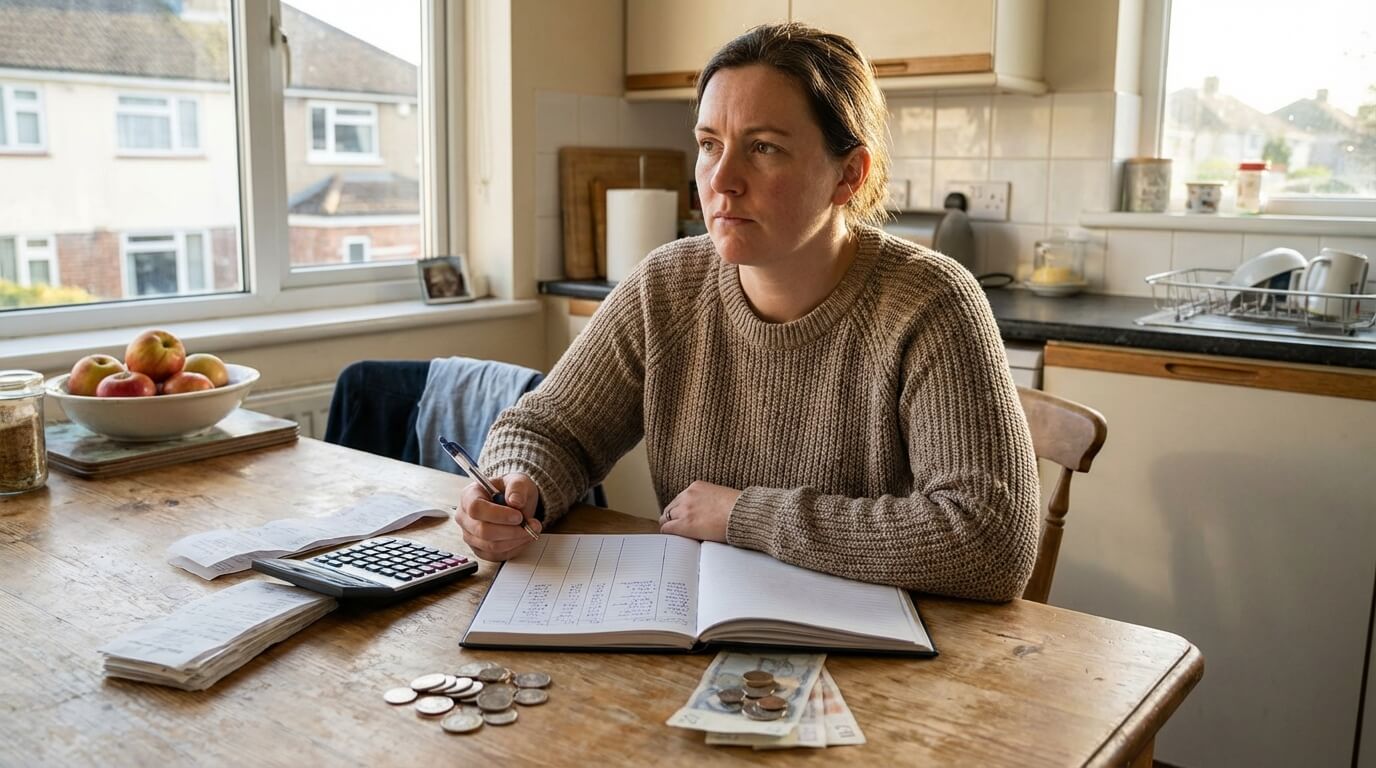
The "Brutal Honesty" Audit: Track Every Cent
You cannot manage what you do not measure. In an inflationary environment, small “leaks” in your budget become major holes by the end of the month.
Review Real Spending: Don't rely on what you think you spend. Pull your bank and credit card statements from the last 90 days.
Categorize Everything: Use a spreadsheet or a budgeting app to group expenses into “Fixed” (rent, phone, insurance) and “Variable” (groceries, fuel, dining).
Identify the Surprises: Many Canadians find they are spending hundreds more than they realized on subscriptions, convenience fees, and impulsive online purchases.
Master the "Needs vs. Wants" Hierarchy
When your budget is stretched thin, the difference between a “need” and a “want” becomes the most important distinction you can make.
Non-Discretionary (Needs): These are essentials you cannot live without—housing, utilities, basic groceries, and transportation. These must be paid first to avoid long-term financial damage.
Discretionary (Wants): These are flexible costs like entertainment, dining out, or the latest gadget.
The 2026 Adjustment: If your “Needs” now consume more than 50% of your income due to rent hikes, you must aggressively trim your “Wants” to ensure your budget remains balanced and you avoid taking on unnecessary debt.
Implementing the 50-30-20 Rule (With a Twist)
Budgeting pros often recommend the 50-30-20 rule as a baseline:
50% for Needs: Rent, groceries, and utilities.
30% for Wants: Hobbies, shopping, and travel.
20% for Savings & Debt: Building an emergency fund or paying down high-interest credit cards.
The 2026 Twist: For those in high-cost areas like BC or Ontario, your “Needs” may naturally sit at 60% or 70%. If this is your reality, don't ignore the 20% savings goal. Even if you can only manage a “5% for Savings” goal, automating that small amount is critical for building resilience against future price shocks.
Strategic Shopping and New Government Support
Groceries remain one of the most volatile parts of a Canadian budget in 2026.
The Canada Groceries and Essentials Benefit: As of early 2026, the federal government has introduced new legislation to provide immediate assistance to low- and modest-income families. A single individual could receive up to an additional $402, and a couple with two children could receive up to $805 to offset grocery costs. Ensure you are filed for your 2025 taxes to receive these automatic top-ups starting in the spring of 2026.
Shop Around & Price Match: Don't be loyal to one store. Use apps to compare prices and buy non-perishable staples in bulk when they are on sale.
Managing the "Gap" Between Paycheques
When an emergency hits—like a car repair or a sudden utility hike—and your next paycheque is still 10 days away, having a “Defensive Plan” is key.
Emergency Funds: Ideally, you should aim for 3 to 6 months of expenses. If you’re starting from zero, aim to save just one paycheque's worth of expenses first.
Debt Servicing: Redirect surplus cash toward your highest-interest debt first.
Short-Term Bridging: If you find yourself in a bind, ensure you are only using licensed lenders who offer transparent terms. Whether you are looking for payday loans in BC, Alberta, or Ontario, always check for a provincial license number and clear fee disclosures of $14 per $100 borrowed.
Final Word: Flexibility is Your Greatest Asset
We understand that life happens. While a bank might deny you for a low score, we provide bad credit payday loans that look at your current income rather than your past mistakes. We specialize in helping residents across Ontario, BC, and Alberta find the bridge they need with a transparent fee of just $14 per $100 borrowed.